End the waking watch.
The fund pays for the alarm.
The Interim Measures Alarm Fund covers the capital cost of a common fire alarm system so that buildings under remediation can stand down a waking watch. Gemini AMPM designs and installs those systems to BS 5839-1 Category L5, using wireless detection that goes into occupied residential buildings in weeks rather than months, with no chases, no lifted floors and no decant.
What the Interim Measures
Alarm Fund actually pays for.
The Interim Measures Alarm Fund (IMAF) is a £62.7m government fund launched on 1 April 2026 and administered by Homes England. It replaced the Waking Watch Replacement Fund, which closed to new applications on 31 March 2026, and it is intended to run alongside the national remediation programmes to 2035.
IMAF meets the reasonable capital cost of installing a common fire alarm system: the equipment and installation components, the labour and associated installation work, commissioning and testing, and VAT where you cannot recover it. Where a building may later need an evacuation alert system, the fund may also cover the cost of an alarm capable of being upgraded to the BS 8629 specification.
Read the exclusions before you build a business case. IMAF does not fund the waking watch itself, project management or administration fees, or any maintenance, repair, removal or conversion costs. It is a capital fund for the installation, and nothing else.
Scoped, delivered,
evidenced.
- IMAF-ready design: BS 5839-1 Category L5, configured to the fire safety objectives in your fire risk assessment.
- Radio survey first: signal strength measured through your actual walls and floors before anything is specified.
- Third-party accredited: BAFE SP203-1 and NSI Gold, designed, installed and commissioned by our own engineers.
- Occupied-building delivery: no chases, no lifted floors, no decant, and no programme measured in months.
- BS 8629 upgrade path: where the building may need an evacuation alert system later, the platform is ready for it.
- Evidence on completion: certification and the completion pack the fund expects, because IMAF pays against evidence.
There is no height
threshold on this fund.
This is the point most building owners miss. The published IMAF guidance sets no building height threshold: the tests are that the building is in England, and that it is residential or student accommodation where an existing fire strategy relies on a waking watch while remediation is outstanding. Height decides a great deal elsewhere in building safety. It does not decide this.
That matters more from 17 August 2026, when the Cladding Safety Scheme opens to eligible buildings under 11 metres for an eight week application window. Those buildings have spent years outside the main remediation funding routes. As they enter remediation, the interim measures question arrives with them, and IMAF is already open to them with no height test to fail.
Applications come from the Responsible Entity or Responsible Person, or an authorised representative, and not from individual leaseholders. Hotels are excluded. A building cannot apply where it has already received funds, or has an application pending, under IMAF or the 2022 and 2023 Waking Watch Replacement Fund.
Three funds. Know which
door you are walking through.
Waking Watch Replacement Fund: closed. The predecessor scheme shut to new applications on 31 March 2026. A building that already received WWRF 2022 or 2023 money, or has an application pending, cannot apply to IMAF as well.
Interim Measures Alarm Fund: open now, with no height test. £62.7m for the common fire alarm that replaces the watch, running alongside the remediation programmes to 2035. The building must be residential or student accommodation in England with remediation outstanding; how tall it is does not appear in the eligibility criteria.
Cladding Safety Scheme, under-11-metre extension: an eight week window. Opens 17 August 2026 for buildings under 11 metres with a life-critical cladding risk evidenced by a PAS 9980 appraisal. It funds the cladding work itself, not the alarm. The alarm route for those same buildings is IMAF.
For anyone skimming: the cladding money is height-gated and time-boxed; the alarm money is neither. If an under-11-metre building is entering remediation this autumn, the two applications travel together.
Category L5, sized to
your fire risk assessment.
IMAF is specific about what it will fund. The system must be designed to BS 5839-1 as a Category L5 system, configured to the fire safety objectives identified in the building’s own fire risk assessment. L5 is the engineered category: the design follows a defined objective rather than a blanket coverage rule, which is why the fire risk assessment does the specifying and the installer does the engineering.
The work must be designed, installed and commissioned by an appropriately qualified, third-party accredited competent person, and quotes must come from a company on the Homes England IMAF approved panel. Gemini AMPM holds BAFE SP203-1 and NSI Gold third-party accreditation, and designs to BS 5839-1 across the residential portfolios we already maintain.
Panel status: approved. Gemini AMPM was confirmed as a member of the Homes England IMAF supplier panel in August 2026, which means our quotes are valid for IMAF funding applications. We survey the building, work to the fire risk assessment and design the L5 system, so the specification is ready when you are.
Occupied buildings do not
tolerate a cabling programme.
A building on a waking watch is fully occupied, often anxious, and paying for cover every night the alarm is not in. That combination rules out a long first-fix. Wireless fire alarms certified to EN 54-25 meet BS 5839-1 exactly as wired systems do, and they go in without chases through party walls, without lifted floors in people’s flats, and without a decant.
The arithmetic is simple: every week of installation programme is another week of waking watch cost carried by leaseholders. Speed is not a convenience on these projects, it is the deliverable.
At the Unity Building in Liverpool, 26 storeys and 161 apartments, we installed 1,000 wireless devices in four weeks and the waking watch stood down. It was delivered for FirstPort, on time and within budget.
Survey, design, quote,
install, stand down.
The sequence that works: a radio survey and site assessment against the current fire risk assessment; an L5 design written to the objectives that assessment sets; a quote in the form the fund expects; installation and commissioning by our own accredited engineers; certification and the evidence pack the fund requires on completion, since IMAF pays on completed works and submitted evidence.
Once the interim system is in and the waking watch has stood down, the same platform carries forward. It can be maintained under fire alarm service and maintenance, connected to fire alarm monitoring so a 3am activation is answered, and where the building later needs one, upgraded toward an evacuation alert system built to BS 8629.
Common questions on
waking watch replacement.
Does IMAF apply to buildings under 11 metres?
The published IMAF guidance sets no building height threshold. The eligibility tests are that the building is in England and is residential or student accommodation where remediation is outstanding and the fire strategy relies on interim measures. This becomes more relevant from 17 August 2026, when the Cladding Safety Scheme opens to eligible buildings under 11 metres for an eight week window, bringing a group of low-rise buildings into remediation for the first time. Always check your building against the current guidance on GOV.UK before applying, as scheme terms change.
Who applies to IMAF, the leaseholders or the building owner?
The application must come from the Responsible Entity or Responsible Person, or an authorised representative acting for them. Individual leaseholders and residents cannot apply directly, which is deliberate: the fund is paying for a system that will be installed, owned and maintained at building level. Hotels are excluded from the scheme.
What does IMAF not pay for?
It does not pay for the waking watch itself, for project management or administration fees, or for maintenance, repair, removal or conversion costs. It is a capital fund covering the installation of the common fire alarm system: equipment, installation labour, commissioning and testing, and irrecoverable VAT. Budget the ongoing maintenance separately from the outset.
Why is a wireless system usually the right answer for a waking watch replacement?
Because the building is occupied and the clock is running. A wired first-fix through occupied flats means chases, lifted floors, access appointments and, on some programmes, a decant. EN 54-25 certified wireless meets BS 5839-1 to the same standard with none of that, which is how we commissioned 1,000 devices across 26 storeys at the Unity Building in Liverpool in four weeks. Every week saved is a week of waking watch cost that leaseholders do not carry.
Can Gemini AMPM deliver IMAF-funded work?
Yes. Gemini AMPM is an approved member of the Homes England IMAF supplier panel, confirmed in August 2026. Only panel members can quote for work funded by the scheme, so a Gemini quote is valid for an IMAF application. We survey the building, design the Category L5 system against your fire risk assessment, and provide the quote and the completion evidence in the form the fund expects. We hold BAFE SP203-1 and NSI Gold third-party accreditation and have delivered waking watch replacements across large occupied residential portfolios.
Tell us about
the building.
A named engineer comes back within 24 hours, not a call centre. Site surveys are free for commercial premises, no obligation.
Related insights.
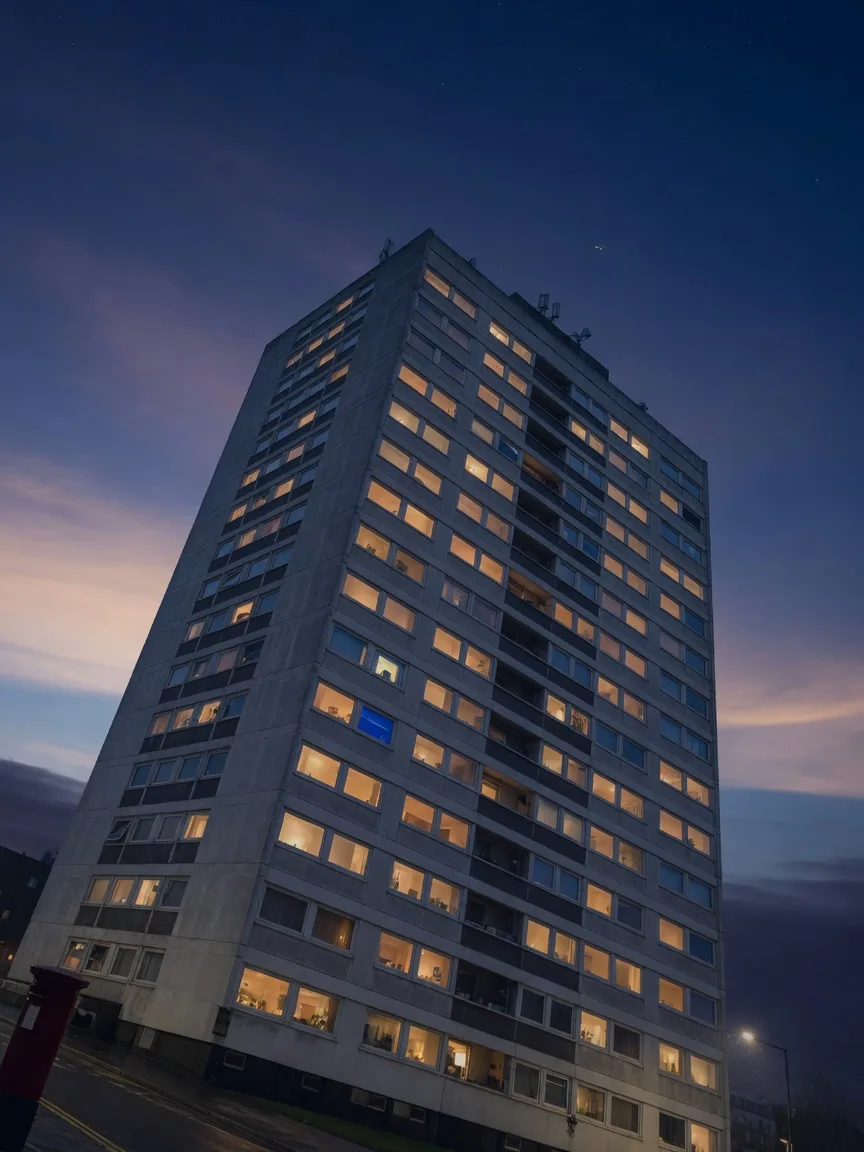
Cladding fund for under 11m buildings opens 17 August
The under 11 metres cladding fund opens 17 August 2026 for eight weeks. You cannot apply without a FRAEW, and the queue is decided by timestamp.

Gemini AMPM approved for the Homes England IMAF supplier panel
Gemini AMPM is an approved Homes England Interim Measures Alarm Fund supplier panel member, the scheme replacing waking watch costs. Confirmed August 2026.
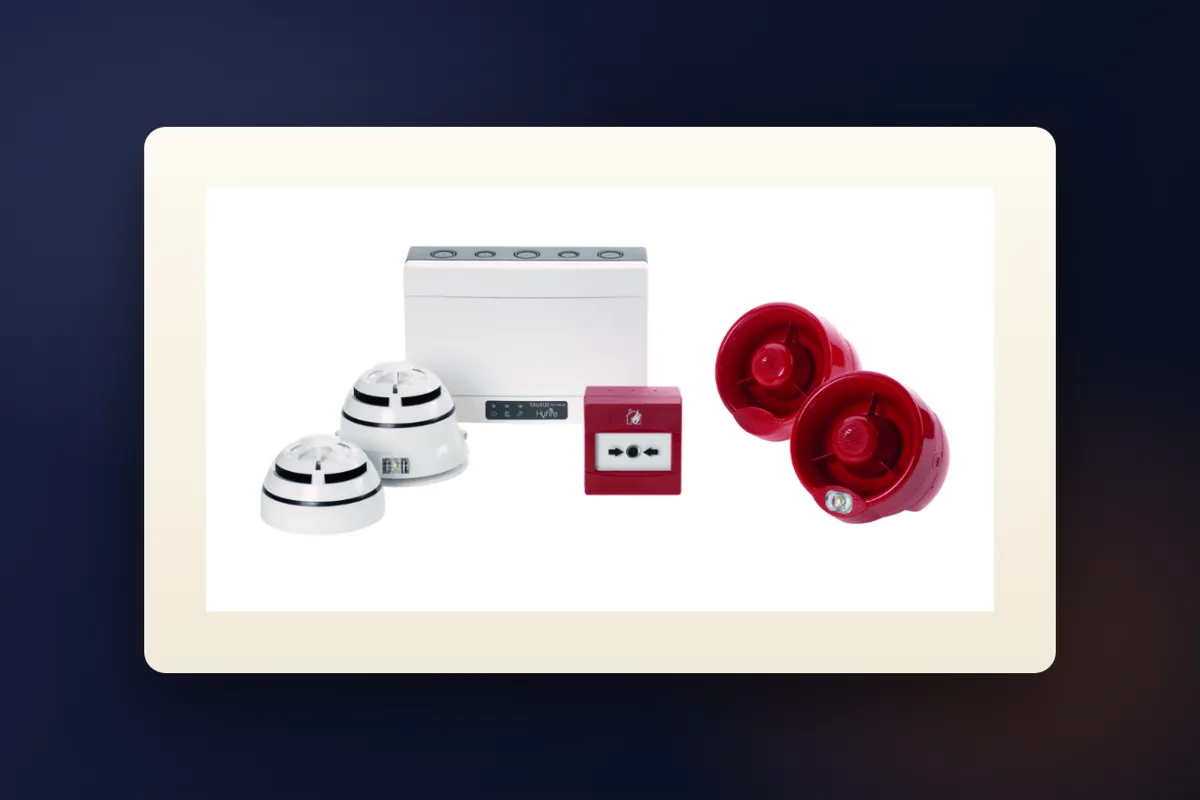
Wireless fire alarm systems vs wired: the real cost comparison for commercial buildings
Wireless devices cost more, wireless installations often cost less, and neither number decides it. Where the money really goes, and where wired still wins.
PAS 9980:2026: what changes for your external wall appraisal
The revised PAS 9980 for external wall appraisals is out. Your 2022 FRAEW stays valid. What changes for new appraisals, funding and interim alarms.
Talk to us about
waking watch replacement.
A named engineer, not a call centre, comes back within 24 hours. Tell us the building and what you’re dealing with, and we’ll scope it properly.