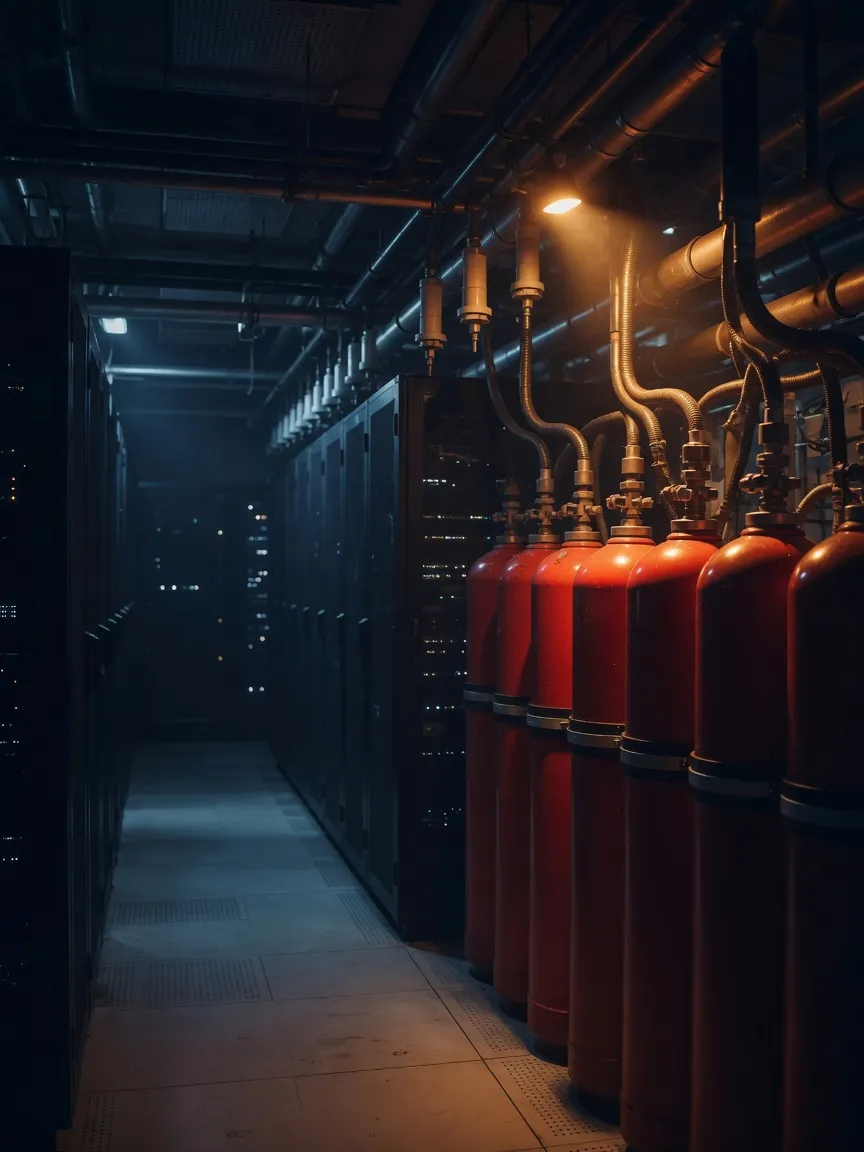
Gas Fire Suppression Systems
When water would do more damage than the fire, the answer is gas: inert and chemical fire suppression for data centres, comms rooms, archives and mission-critical plant. Also known as gaseous fire suppression or gas extinguishing systems (BS EN 15004), these are designed, installed, integrity-tested and maintained under our BAFE SP203-3 registration (ID 302260) for fixed gaseous extinguishing systems, with commissioning and client training delivered on the day. We also take over and service existing systems of any make, including FM-200 and Novec 1230 installations facing agent phase-down. Our benchmark clients call us their benchmark contractor.
Every Gas Suppression service,
one accountable team.
Surveyed, installed and maintained by our own engineers: one team accountable for the lot.
Where the work
is coming from.
Data-centre growth and the value of irreplaceable digital and physical assets are driving demand for clean-agent suppression that protects without water damage, designed and integrity-tested to a standard that survives audit.
Gas Suppression work, in the field.
Peterborough Court, City of London
Multi-zone ProInert IG-55 (Fike) suppression package within the Mace-led flagship fire and security delivery; commissioned with zero handover defects (2025).
Gas · Clean-agentTelecoms operator comms room
FM-200 chemical-agent suppression design, install and BS EN 15004 integrity testing for a critical comms estate; delivered over a single weekend changeover.
Gas · MaintenanceCo-location data centre, London
Annual integrity testing and servicing across 11 suppression zones (mix of ProInert and Novec 1230); same-team contract since 2022.
Representative of the Gas Suppression work we deliver. Named, full case studies and PQQ references available on request.
Common questions on
gas suppression.
What is a gas suppression system, and when do I need one?
What’s the difference between inert gas (IG-55, Inergen) and chemical agents (FM-200, Novec 1230)?
How is a system designed and how long does it take?
How much does a gas suppression system cost?
Will a gas suppression system harm staff who are in the room when it discharges?
Will a gas suppression system work alongside our existing fire alarm?
How often does a gas suppression system need to be serviced and tested?
Can you take over our existing gas suppression maintenance contract?
Our system uses FM-200 or Novec 1230. Is it still compliant, and can it still be recharged?
Built for the most
demanding buildings.
One contractor,
the whole building.
Tell us about
the building.
A named engineer comes back within 24 hours, not a call centre. Site surveys are free for commercial premises, no obligation.
Related insights.
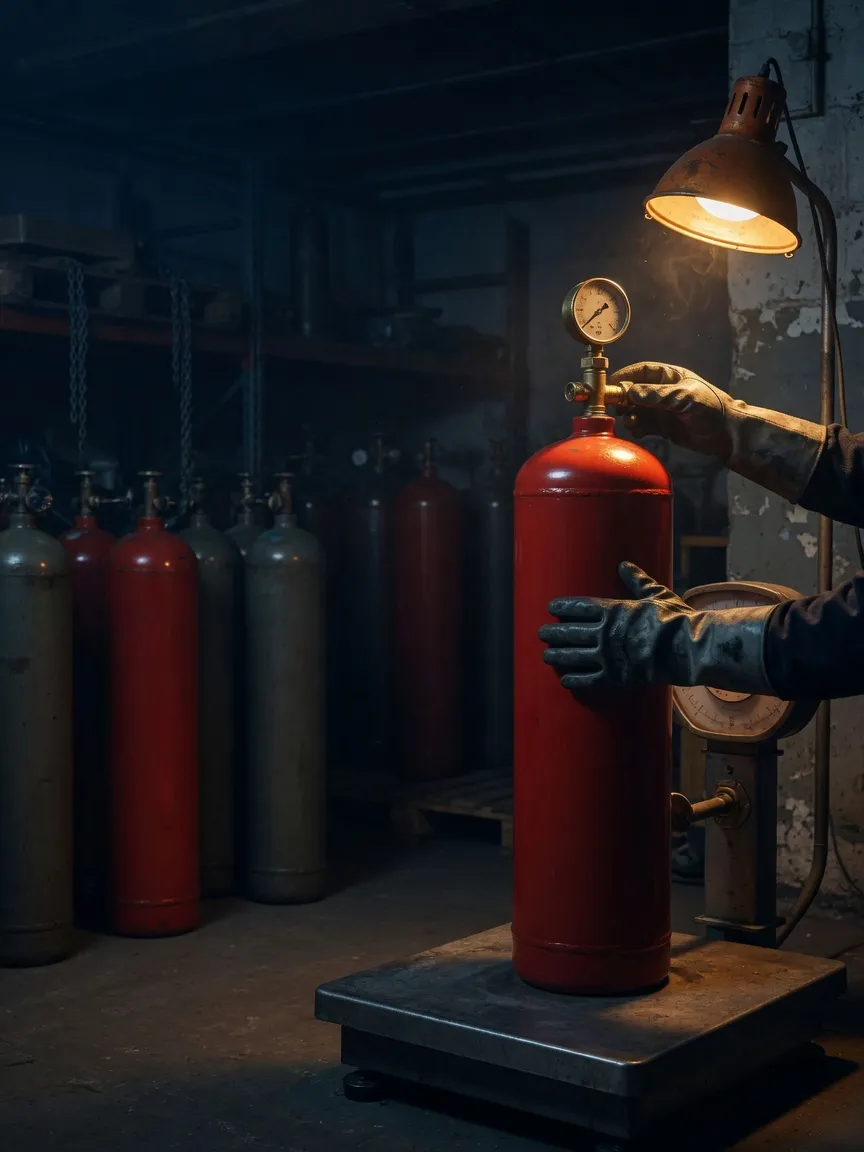
How often does a gas suppression system need servicing?
Two engineer visits a year for most systems. What BS EN 15004 actually expects, what gets checked at each visit, and what happens after a discharge.
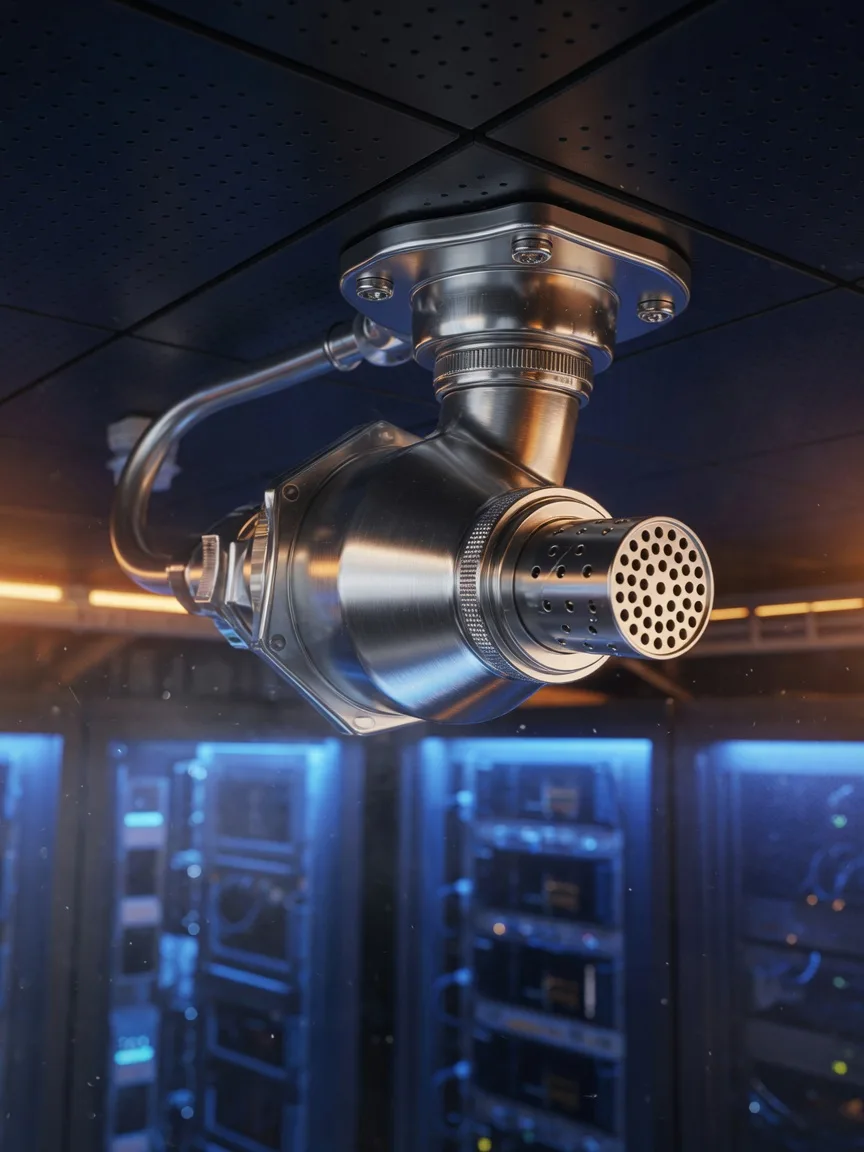
Inert gas vs chemical agent fire suppression: which does your risk need?
Both are clean agents and both put the fire out, but they are very different to own. Floor space, discharge, room integrity, refills and PFAS compared.
Gas suppression vs sprinklers for data centres: which protects what
Inert gas, chemical agent, or sprinklers: a clear comparison framework for IT and mission-critical environments.
Get the building
surveyed this week.
A named engineer, not a call centre, comes back within 24 hours. Tell us the building, the system and where you are with compliance.